 ← back to wikibrad
These worked stone pieces were found in my former backyard on Mill Creek in Moab, Utah. Several appear to be chipped and shaped lithic material: flakes, tool-making fragments, possible biface fragments, and possible point or preform pieces.
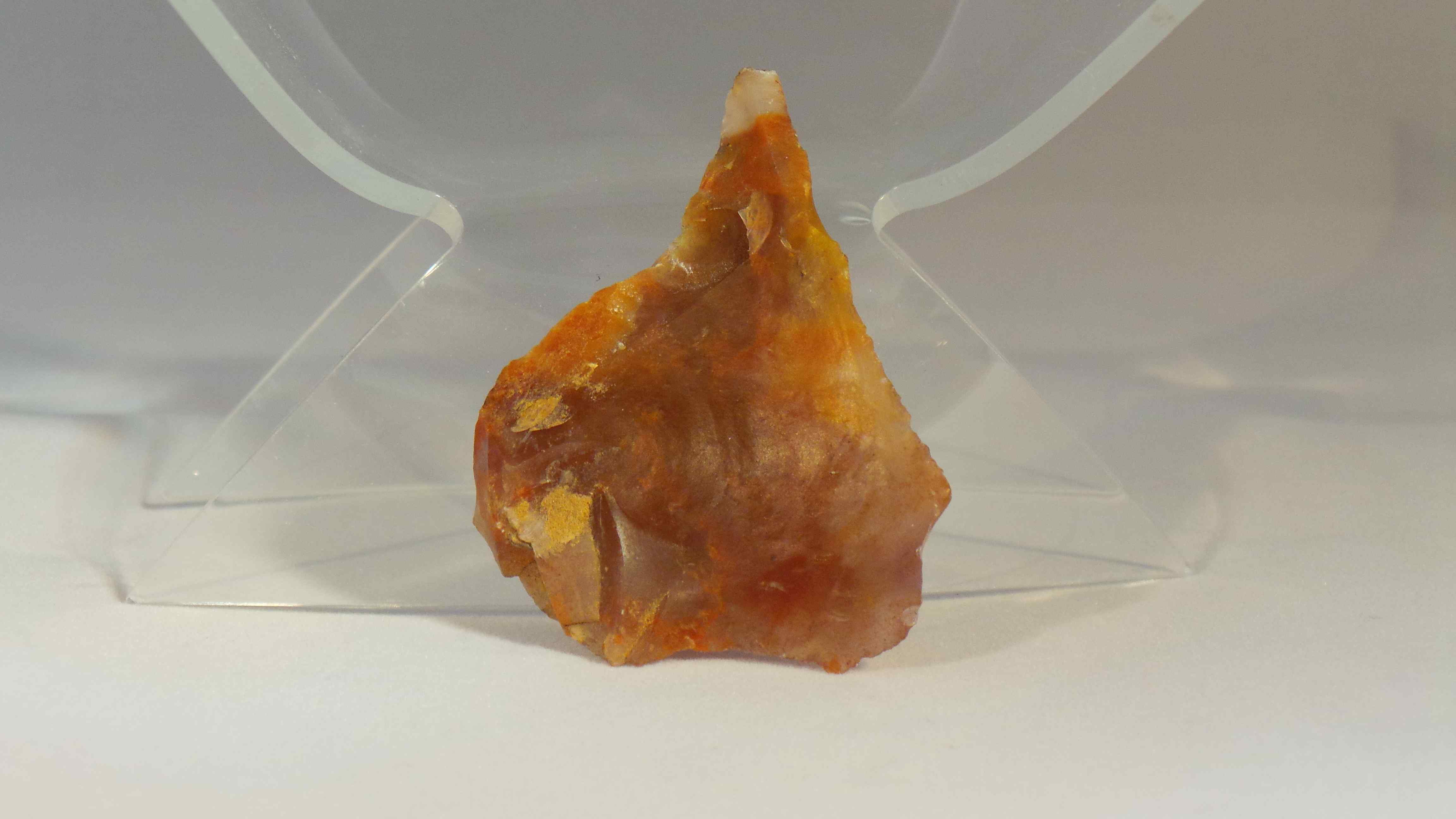
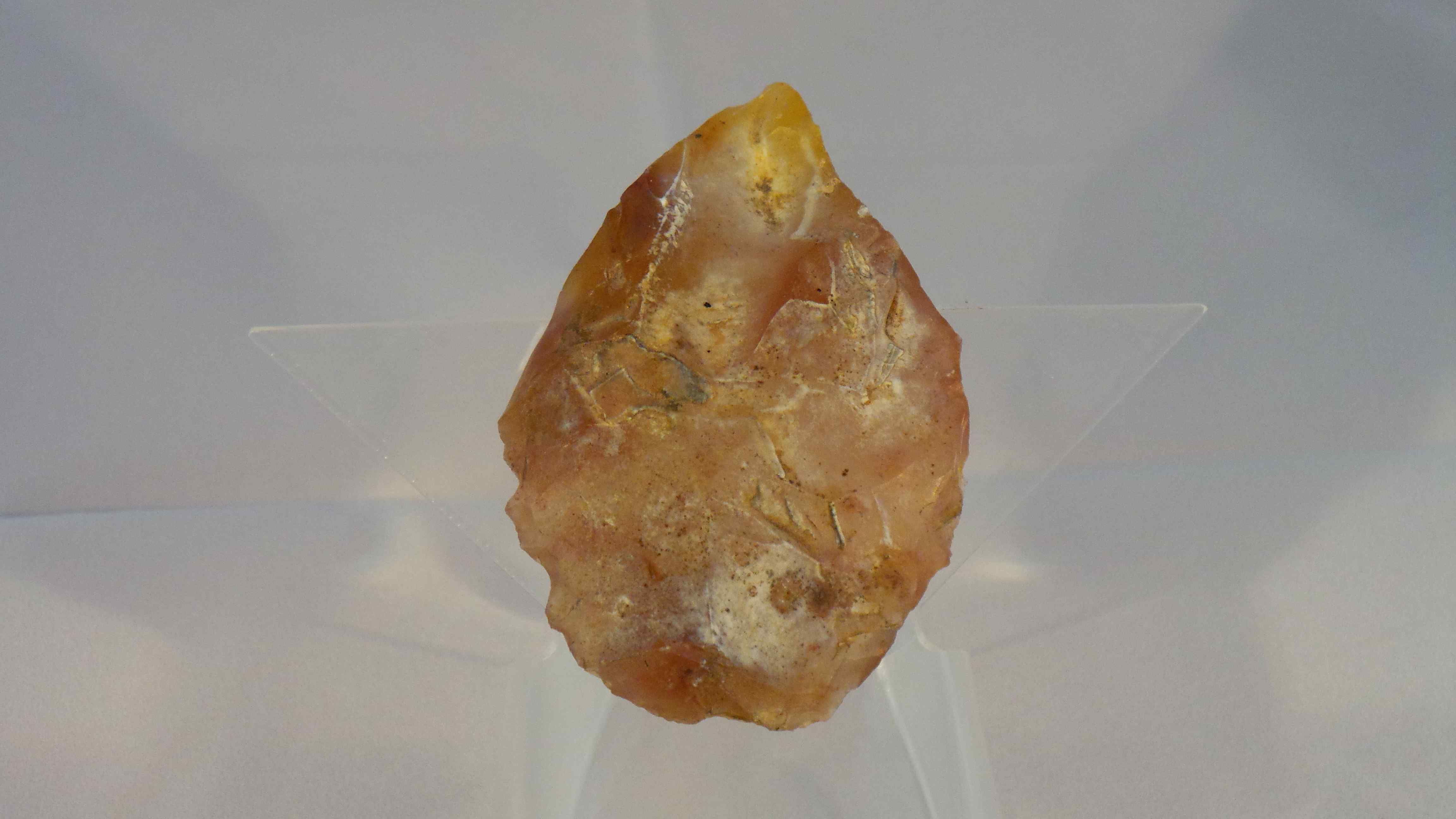
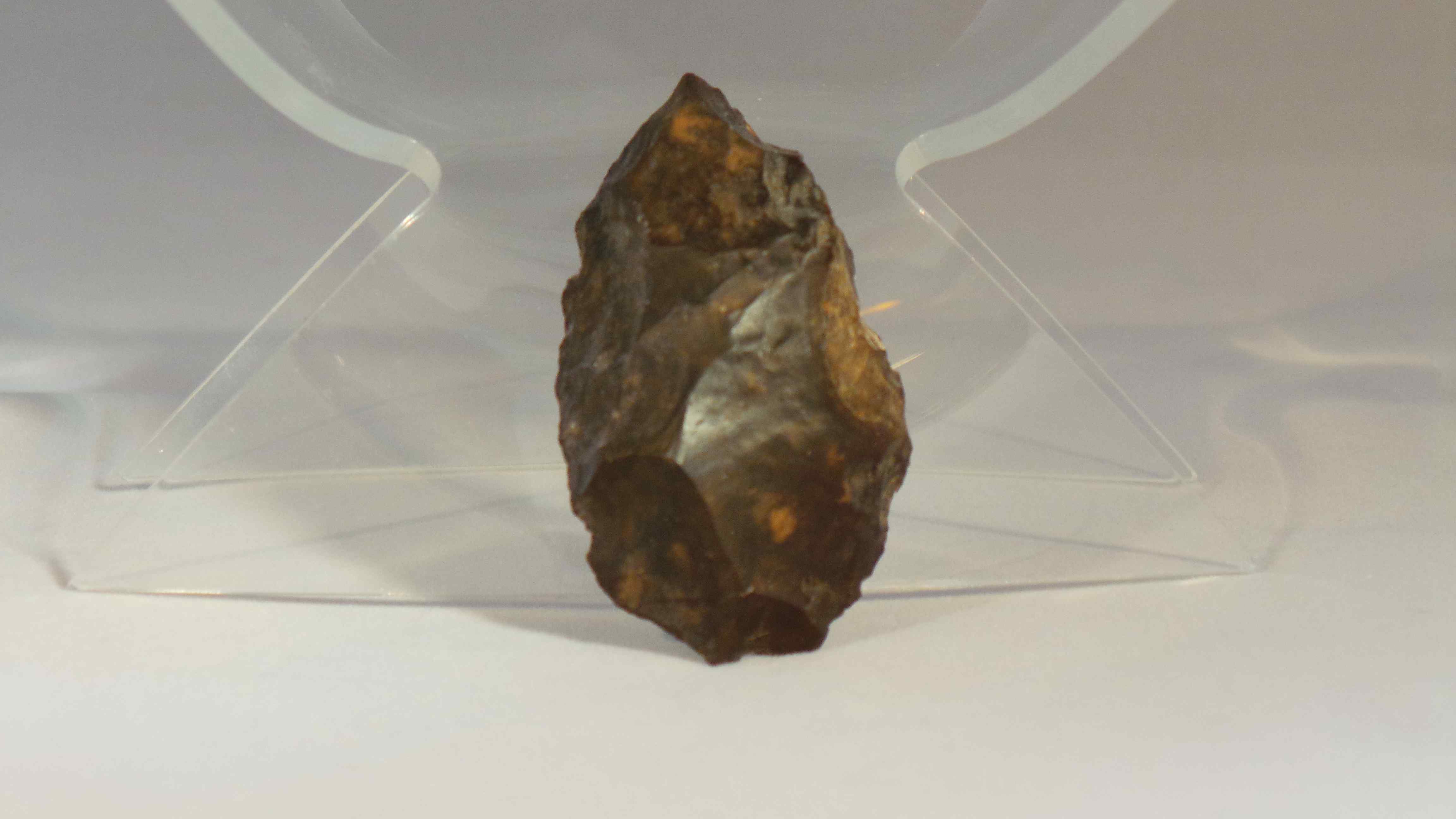
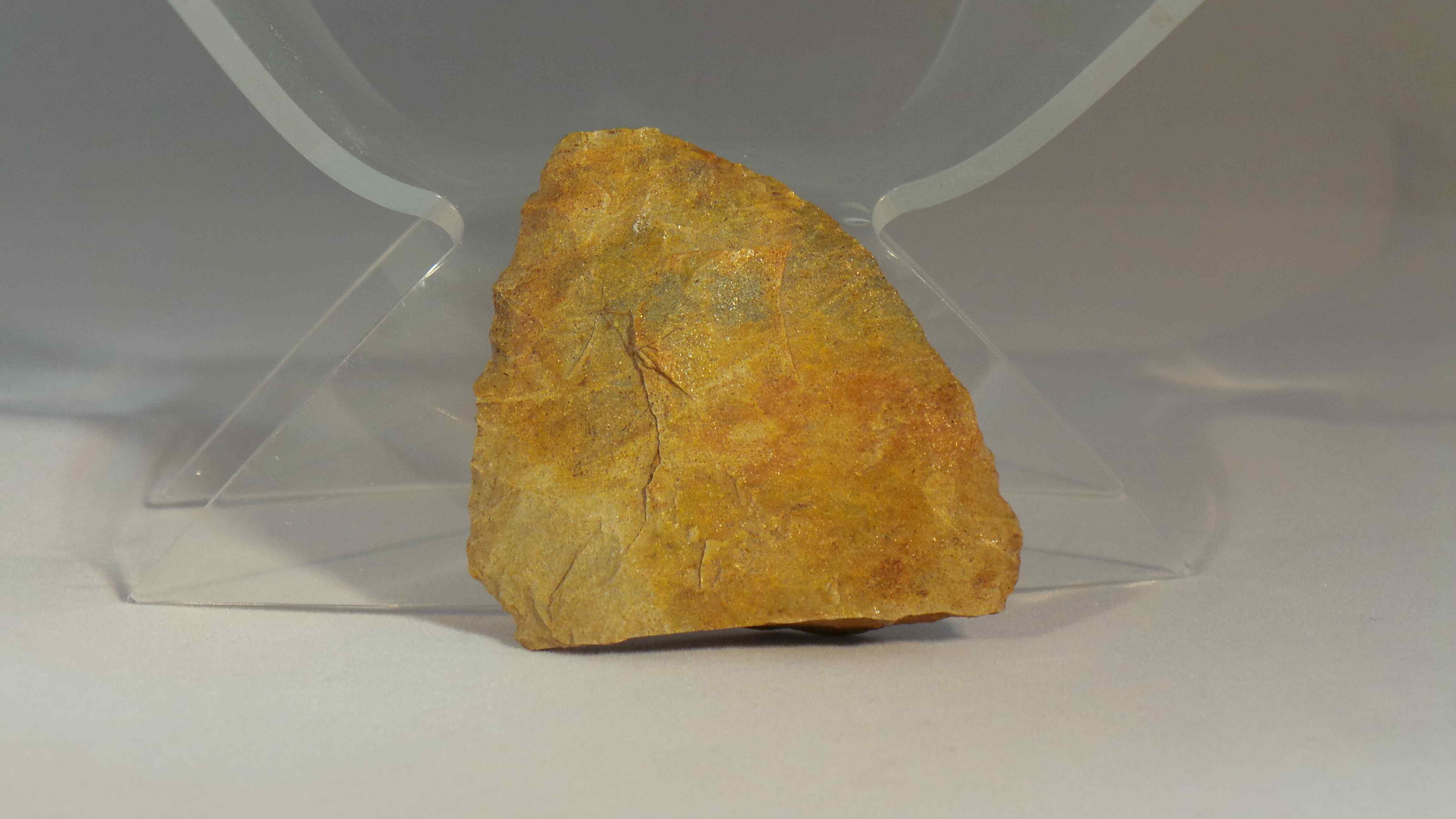
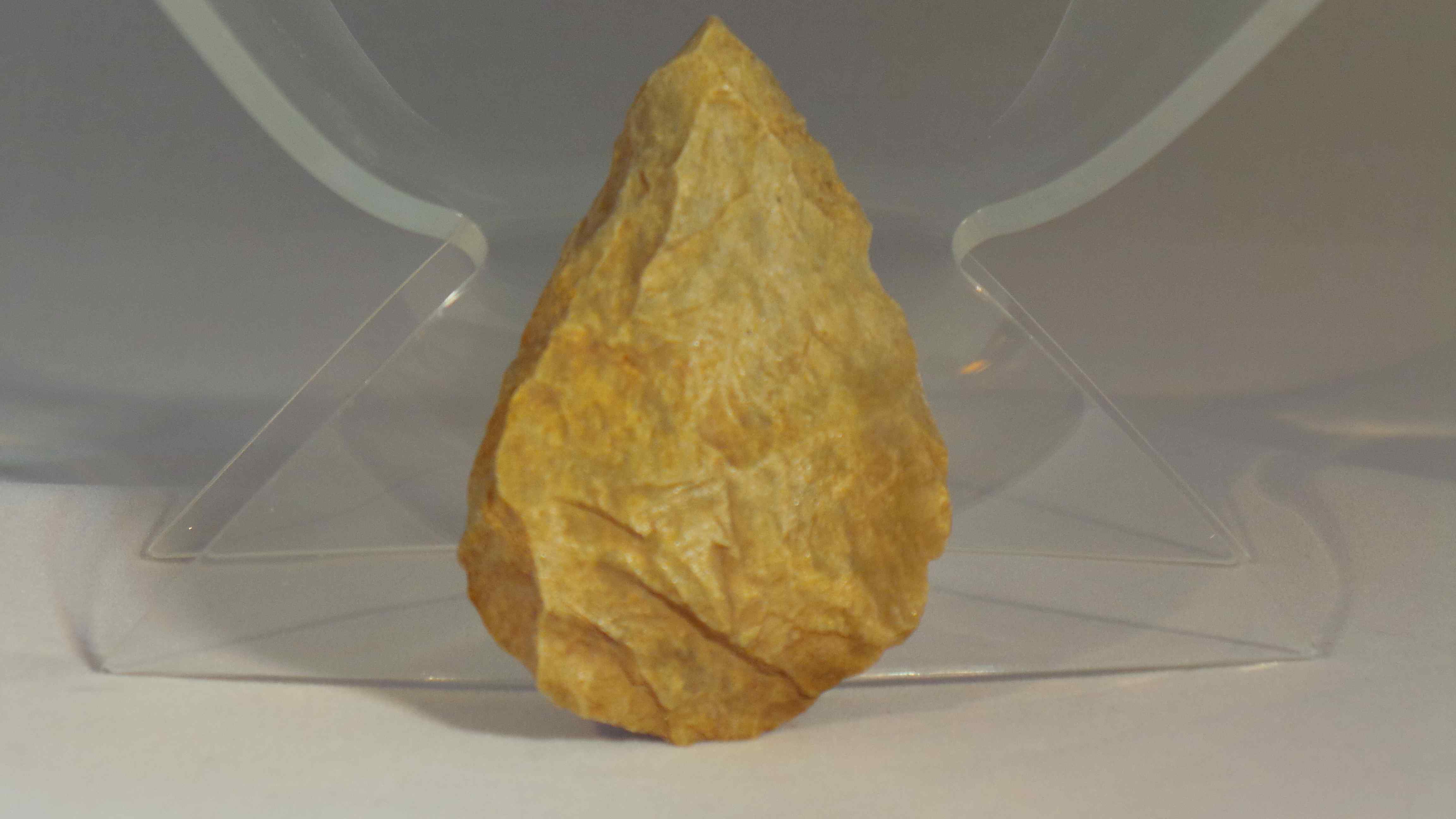
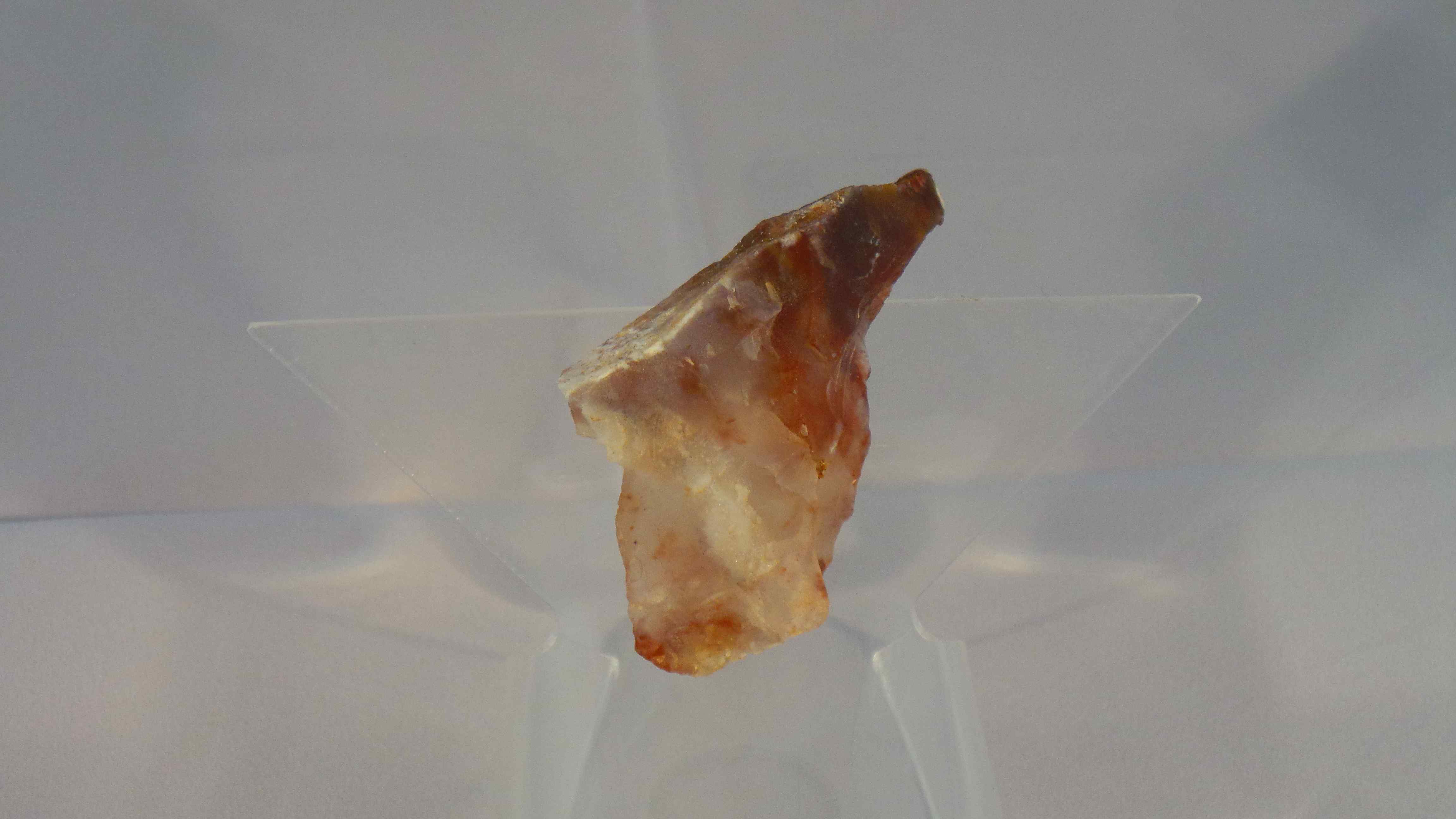
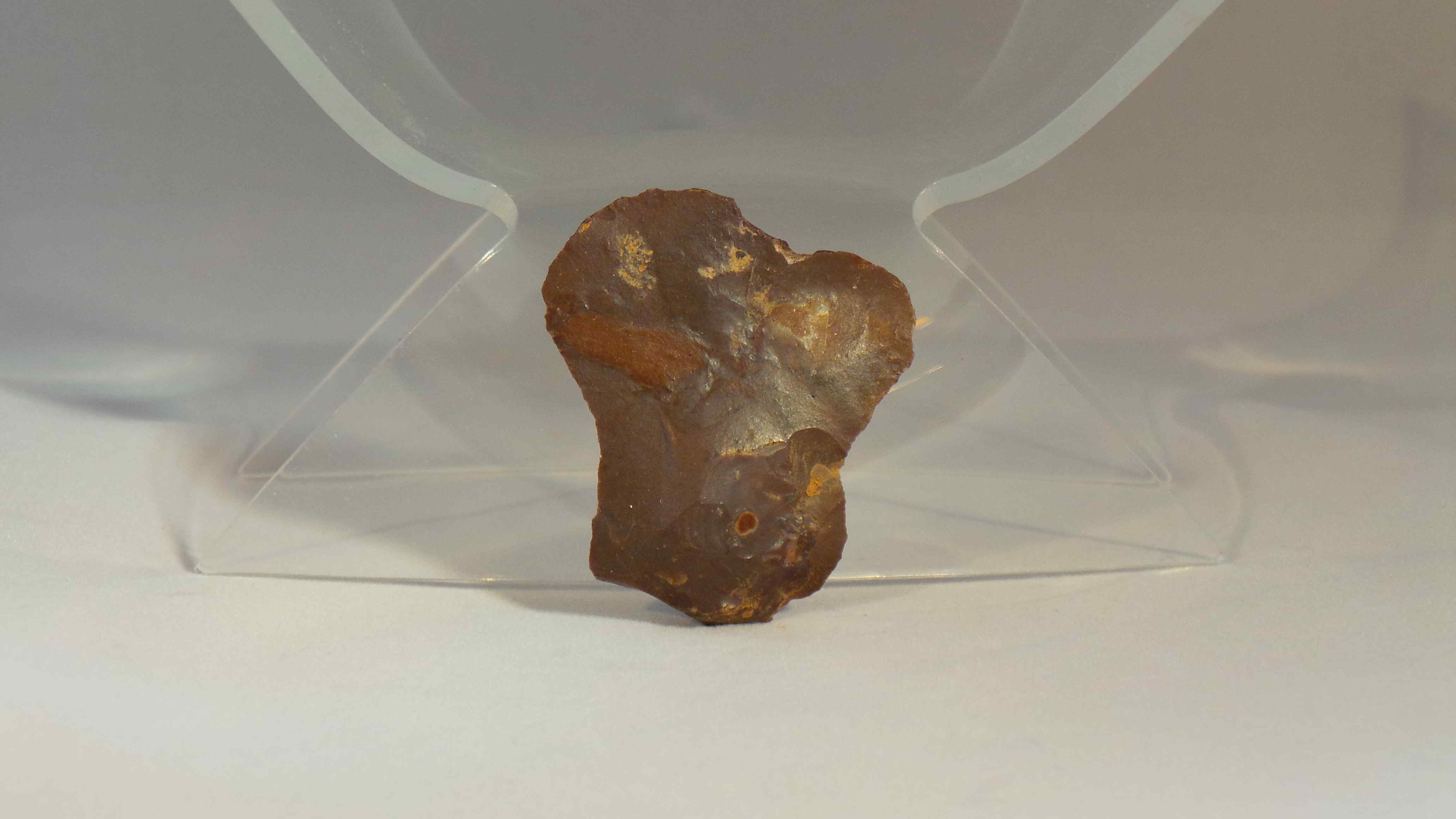
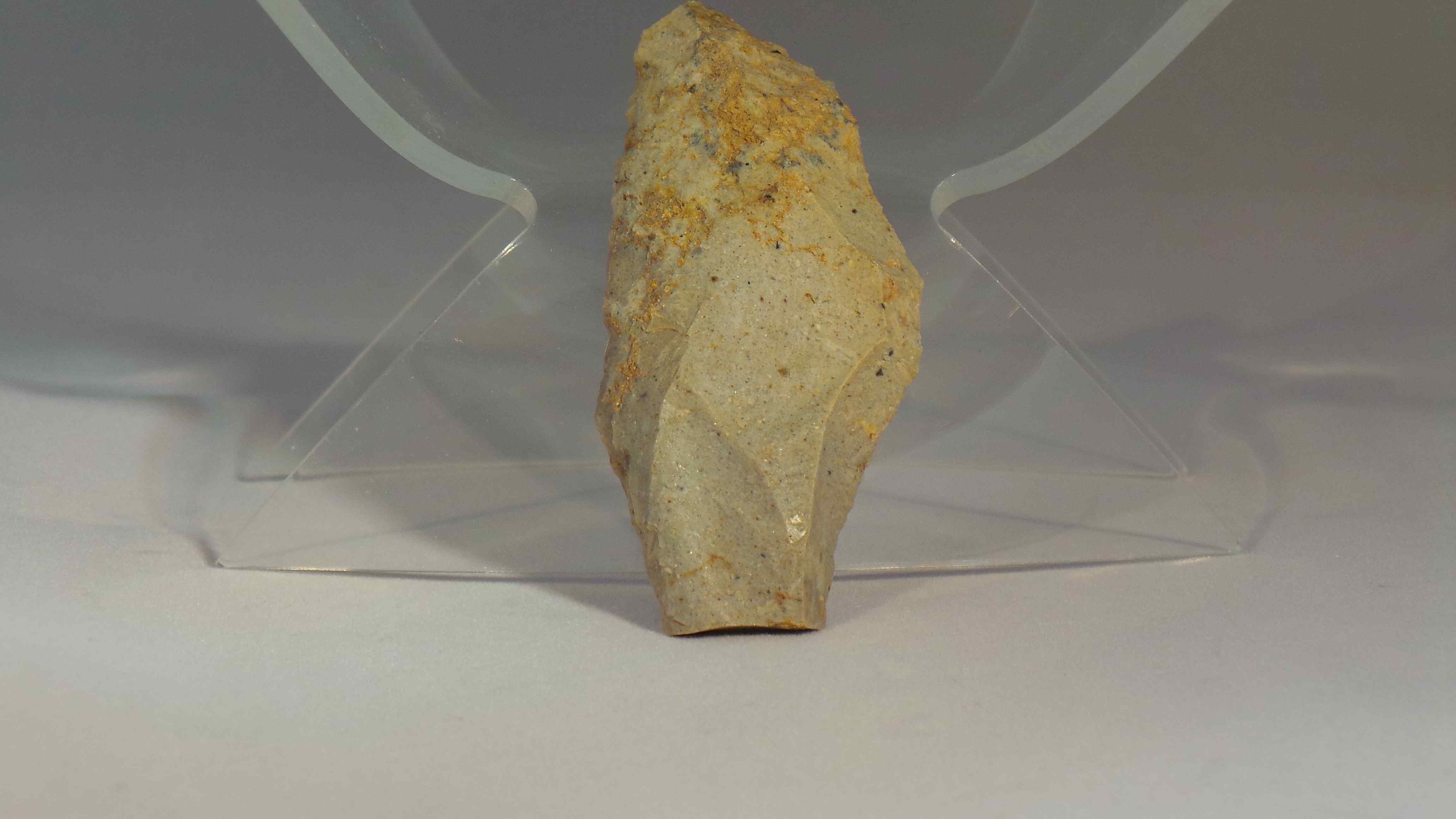
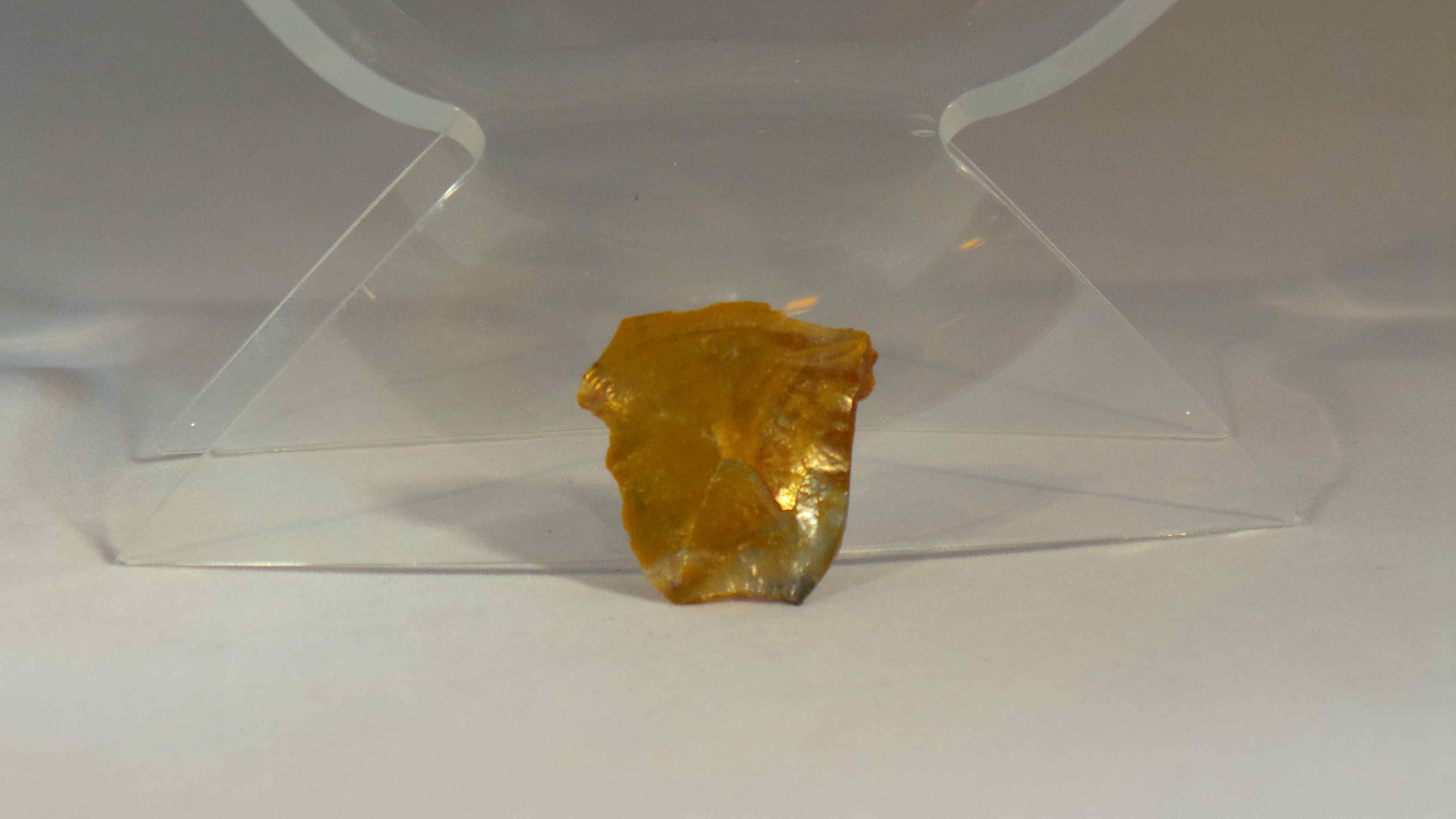
These worked stone pieces were found in my former backyard on Mill Creek in Moab, Utah, most of them coming up from the soil beneath a large elm tree. This was not an isolated find. A lot of similar material was found in the same area by the city and by neighbors, and bones were unearthed in front of my house when the sewer line was redone.
Several of the pieces appear to be chipped and shaped lithic material: flakes, tool-making fragments, possible biface fragments, and possible point or preform pieces made from chert, chalcedony, or similar knappable stone. In plain terms, these look like the remains of stone-tool work from Native people using the Mill Creek corridor long before the modern house existed. The likely makers were Indigenous people of the Moab area. The exact culture cannot be proven from loose backyard finds alone, but the strongest possibilities are Archaic hunter-gatherers, Fremont people, Ancestral Puebloan people, and later Ute or Southern Paiute people. Mill Creek would have been valuable ground: water, shade, animals, travel access, and usable stone all in one place.
The date could be very old. If the pieces came from an Archaic creekside activity area, they could be thousands of years old, possibly as early as about 8000 BC. If they belong to the later Fremont or Ancestral Puebloan world, they may fall somewhere between about 500 BC and AD 1300. Later Ute or Southern Paiute material could be more recent. The exact date is unknown, but the finds fit a long-used Indigenous creekside location in the Moab Valley.